
NeuroStar TMS Therapy
Transcranial magnetic stimulation (TMS) is a non-invasive treatment for depression that may help when medication alone hasn't provided the relief you need.
Led by board-certified psychiatrists at our Palm Bay and Suntree offices.
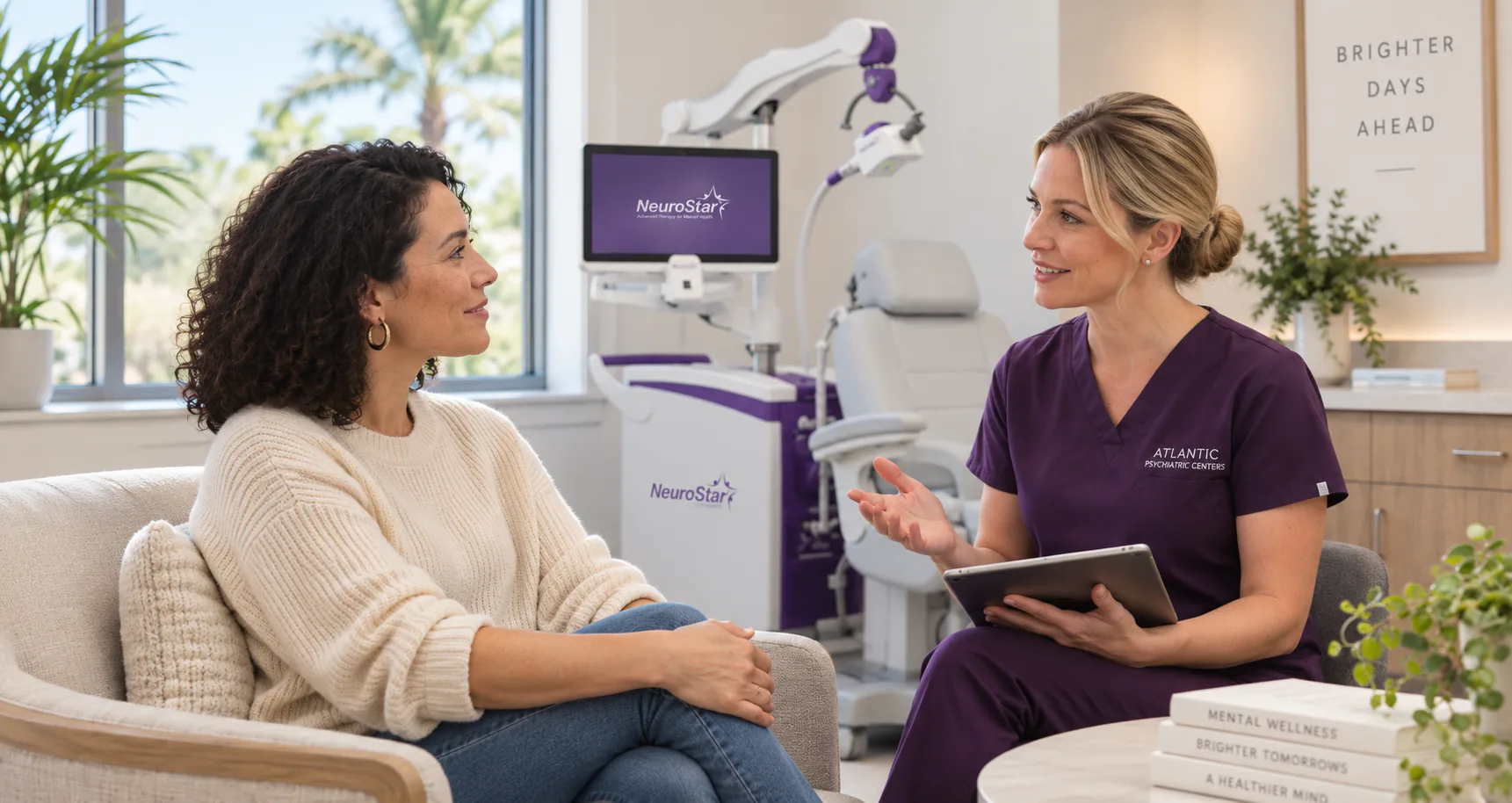
The NeuroStar approach
Focused magnetic pulses stimulate the areas of the brain involved in mood.
A non-medication treatment for adults whose depression hasn’t improved enough with antidepressant medication.
At Atlantic Psychiatric Centers, TMS is delivered with the NeuroStar Advanced Therapy system.
Non-invasive
No surgery. Nothing enters the body.
Outpatient
An office visit, then on with your day.
No anesthesia
You stay awake throughout.
Non-medication
Magnetic pulses, not another prescription.
Clinically demonstrated results
83%
saw their depression improve
62%
reached remission
Of 615 adults with major depressive disorder who completed a course of NeuroStar treatment in everyday clinical practice, as rated by their clinicians. Patients could also be taking medication. Individual results vary. Sackeim HA, et al. Journal of Affective Disorders. 2020;277:65–74. View on PubMed
Explore the science behind NeuroStar TMSInsurance coverage
We work with these insurers and check your benefits for you, so you know what your plan covers before you decide anything.





Coverage varies by plan. Medicaid is not accepted.
Your treatment journey
Evaluation
Meet with a board-certified psychiatrist to talk through your history and whether TMS may be appropriate.
Insurance review
Our staff review your coverage with you before treatment begins.
Mapping
Your physician determines the placement and strength of your treatment.
Treatment sessions
Outpatient sessions over several weeks, given by our TMS team under your physician’s supervision.
The treatment experience
You stay awake the whole time, free to read, listen to music or simply rest.
In the chair
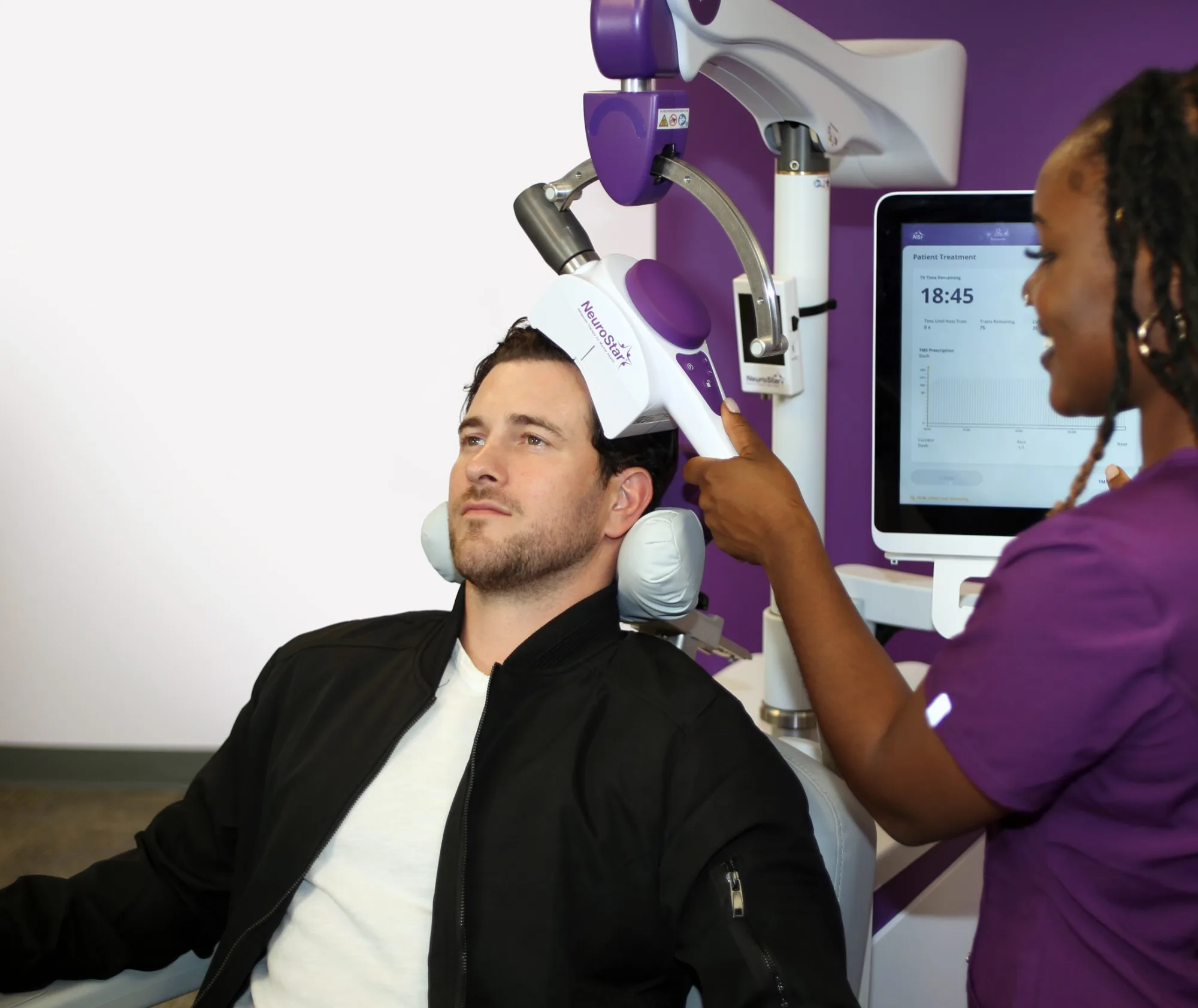
You recline in a treatment chair while a small, curved magnetic coil rests lightly against your head. There is no anesthesia and no sedation.
What you feel
A tapping sensation where the coil sits, with a steady clicking sound. Pain or discomfort at or near the treatment site is the most common side effect. It is temporary, and for most patients it stops after the first week.
Afterward
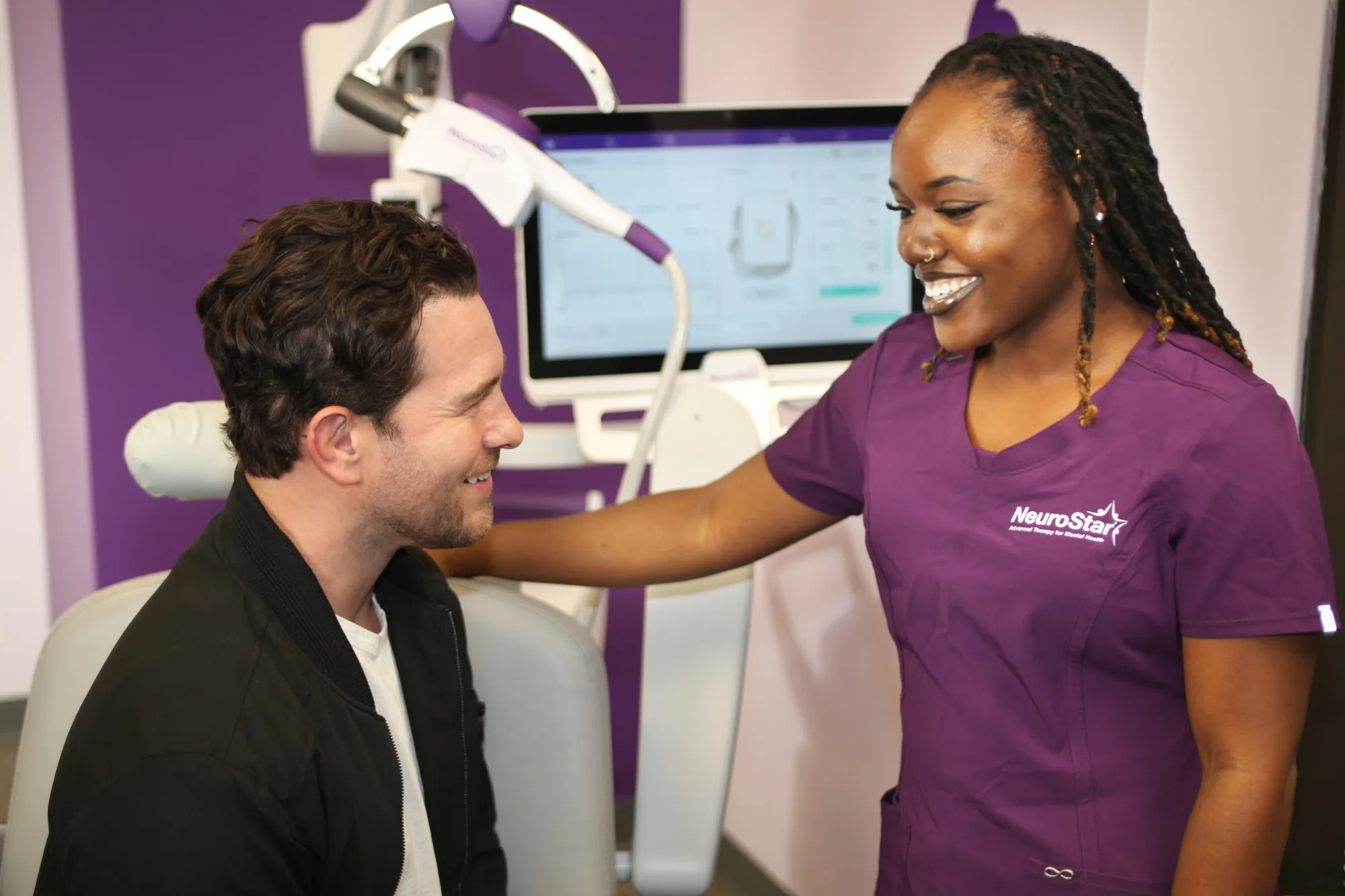
When the session ends, you go on with your day. A member of the TMS team is in the room with you throughout.
Patient stories
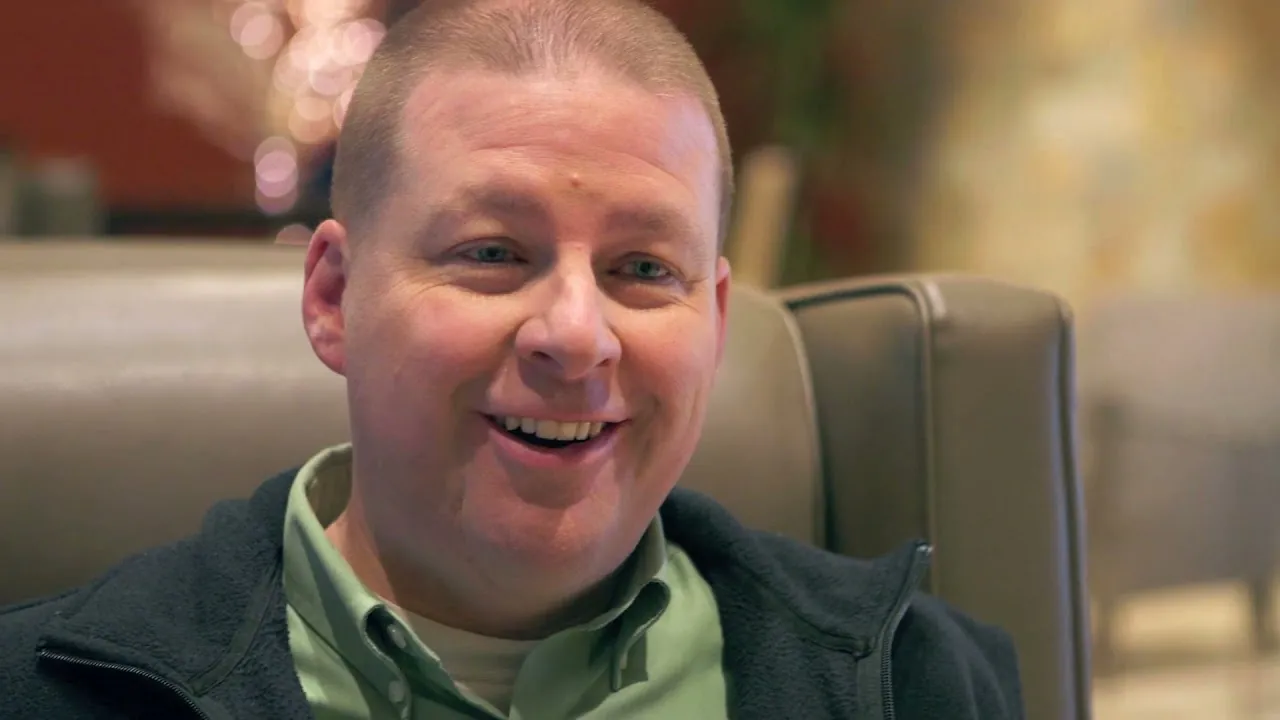
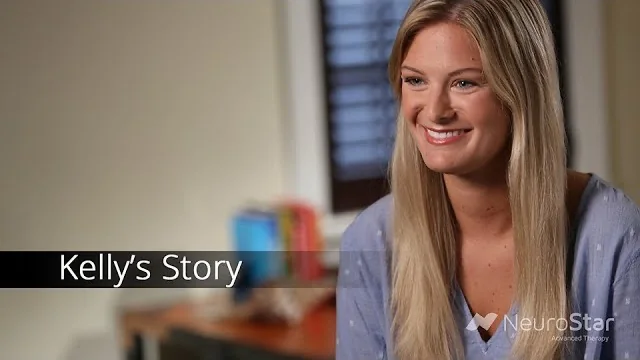
Four NeuroStar patients describe their treatment in their own words. Individual results vary.


NeuroStar TMS for
TMS self-assessment
Take the self-assessmentA depression questionnaire hosted by NeuroStar. It is not a diagnosis. It asks for your date of birth and contact details, and for your agreement to be contacted by Atlantic Psychiatric Centers.
Indications and important safety information
Indications
The NeuroStar Advanced Therapy System is indicated for the treatment of depressive episodes and for decreasing anxiety symptoms for those who may exhibit comorbid anxiety symptoms in adult patients suffering from Major Depressive Disorder (MDD) and who failed to achieve satisfactory improvement from previous antidepressant medication treatment in the current episode.
The NeuroStar Advanced Therapy System is intended to be used as an adjunct for the treatment of adult patients suffering from Obsessive-Compulsive Disorder (OCD).
NeuroStar Advanced Therapy is indicated as an adjunct for the treatment of Major Depressive Disorder (MDD) in adolescent patients (15-21).
Important safety information
NeuroStar Advanced Therapy is only available by prescription. A doctor can help decide if NeuroStar Advanced Therapy is right for you. Patients’ results may vary.
The most common side effect is pain or discomfort at or near the treatment site. These events are transient; they occur during the TMS treatment course and do not occur for most patients after the first week of treatment. There is a rare risk of seizure associated with the use of TMS therapy (<0.1% per patient).
NeuroStar Advanced Therapy should not be used with patients who have non-removable conductive metal in or near the head. NeuroStar Advanced Therapy has not been studied in patients who have not received prior antidepressant treatment.
Visit neurostar.com for full safety and prescribing information.
Ready to explore NeuroStar TMS Therapy?
Call us and say you’d like to talk about TMS. We take it from there.